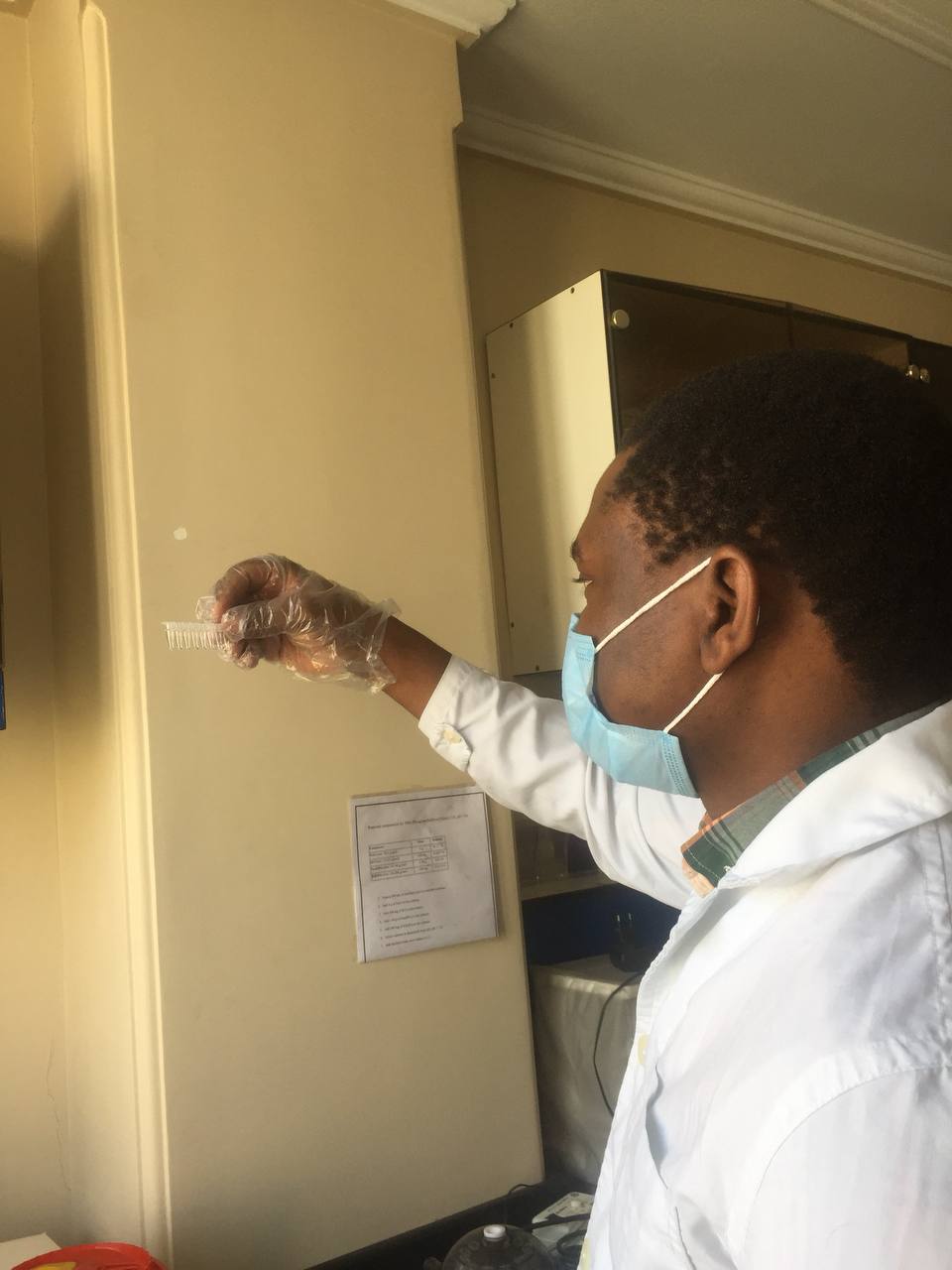
Molecular research has transformed modern medicine. From targeted cancer therapies and precision diagnostics to genomic surveillance of infectious diseases, advances at the molecular level increasingly determine how we understand, diagnose, and treat illness. Yet for much of the world, particularly in low- and middle-income countries (LMICs), this scientific revolution remains distant.
The challenge is not a lack of clinical insight or intellectual capacity. Instead, it is a convergence of structural, financial, and systemic barriers that prevent meaningful participation in molecular discovery. If global health equity is to move beyond rhetoric, the way molecular research is conducted, funded, and shared in resource-limited settings must fundamentally change.
The Infrastructure Gap
At the most basic level, molecular research depends on infrastructure that is often taken for granted in high-income countries. Reliable electricity, cold-chain storage, timely access to reagents, functional laboratory equipment, and efficient procurement systems are essential for even modest bench work. In many resource-limited settings, these elements are fragile or absent.
Reagents may take months to arrive, customs processes can be unpredictable, and equipment breakdowns may go unrepaired due to a lack of technical support. Power interruptions can compromise entire experiments, wasting limited samples and resources. The result is not a lack of ideas, but a research environment where reproducibility and continuity are constantly under threat. In such settings, scientific ambition is often constrained by logistics rather than imagination.
Human Capital Is Underused, Not Absent
A persistent misconception is that resource-limited settings lack skilled researchers. In reality, many clinicians and scientists in these environments possess deep clinical insight and firsthand exposure to diseases that are rare or under-studied elsewhere. They manage advanced disease presentations, observe unique phenotypes, and understand local epidemiology in ways that are difficult to replicate from afar.
However, these individuals often face overwhelming clinical workloads, limited protected research time, and scarce mentorship opportunities. Without structured pathways for training and career development, research becomes an extracurricular activity rather than a sustainable profession. Brain drain, in this context, is less a matter of aspiration and more a matter of survival.
Misaligned Research Priorities
Global research agendas are frequently shaped by funding bodies, institutions, and market forces located far from the populations most affected by disease. As a result, molecular research priorities may reflect what is technologically fashionable or commercially viable rather than what is locally burdensome.
Conditions such as sickle cell disease, neglected tropical infections, maternal health complications, and region-specific cancers remain under-investigated at the molecular level, despite their profound impact. When research questions are disconnected from local clinical realities, opportunities for meaningful translation are lost. The critical question becomes not what is scientifically possible, but who decides what is worth studying.
Data Ownership and Authorship Inequity
Another major challenge lies in how data and biological samples are handled. In many collaborations, samples collected in resource-limited settings are exported for analysis, with limited local involvement in data interpretation or authorship. While such arrangements may accelerate publication, they often undermine capacity building and long-term sustainability.
When local researchers are excluded from meaningful intellectual contribution, research becomes extractive rather than collaborative. This dynamic discourages innovation, erodes trust, and perpetuates dependency. True partnership requires shared ownership of data, transparent authorship practices, and intentional investment in local analytical capacity.
What Needs to Change
Addressing these challenges requires more than isolated interventions. It demands a shift in how molecular research is conceptualized and implemented in resource-limited settings.
First, molecular platforms must be context-appropriate. Regional core laboratories, shared equipment models, and low-cost diagnostic technologies can dramatically expand research capacity without replicating the infrastructure of high-income institutions. Sustainability should be prioritized over novelty.
Second, clinician–bench integration must be strengthened. Clinicians are uniquely positioned to generate research questions grounded in real patient experiences. Equipping them with basic molecular literacy, while ensuring that bench scientists remain connected to clinical realities, can bridge the gap between discovery and application.
Third, collaborations must be genuinely equitable. This includes shared leadership on grants, local principal investigators, and explicit capacity-building components in research agreements. Partnerships should aim to transfer skills, not just samples.
Finally, policy and funding reforms are essential. National research agendas, diaspora engagement, and incentives for local innovation can help retain talent and align research with public health priorities. Molecular research should be viewed as a strategic investment rather than an academic luxury.
Why This Matters Globally
Strengthening molecular research in resource-limited settings is not an act of charity; it is a global necessity. Diseases do not respect borders, and emerging variants, resistance mechanisms, and biological insights often arise where surveillance is weakest. A more inclusive global research ecosystem benefits everyone by improving preparedness, diversity of data, and relevance of scientific discoveries.
Conclusion: From Extraction to Partnership
The future of molecular research in resource-limited settings does not lie in importing solutions developed elsewhere. It lies in co-creating knowledge through equitable partnerships that recognize local expertise and shared responsibility.
If molecular research is to fulfill its promise, it must reflect the populations it aims to serve. Moving from extraction to partnership is not only a moral imperative—it is a scientific one.
 Makuku Global Research Services LLC
Leave a comment